


It was learned from the Hunan Juvenile & Children's Publishing House on the evening of April 13 (Beijing time) that the 2026 Hans Christian Andersen Award was announced at the Bologna Children's Book Fair in Bologna, Italy. Cai Gao, a renowned picture book illustrator from Changsha City, Hunan Province, successfully won the award, becoming the first Chinese illustrator to receive this honor.
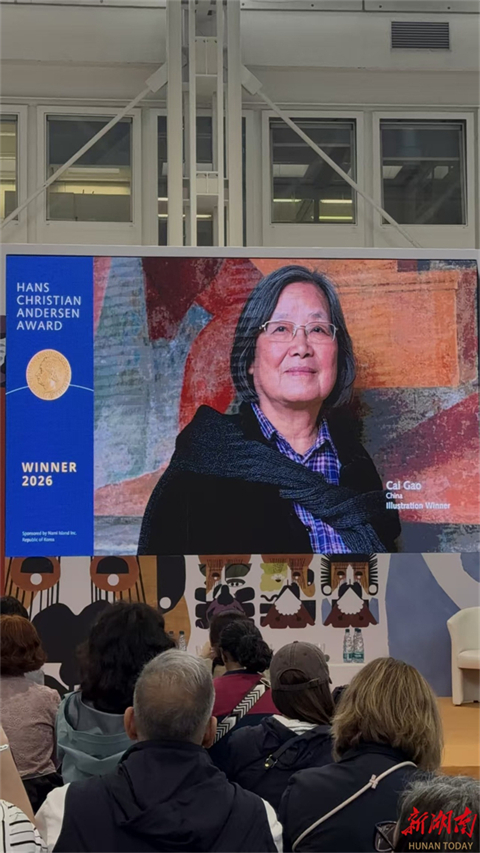
Previously, on January 29, 2026 (Beijing time), the International Board on Books for Young People (IBBY) officially announced the shortlist for the 2026 Hans Christian Andersen Award. Following her first nomination in 2024, Cai Gao had once again made the shortlist.
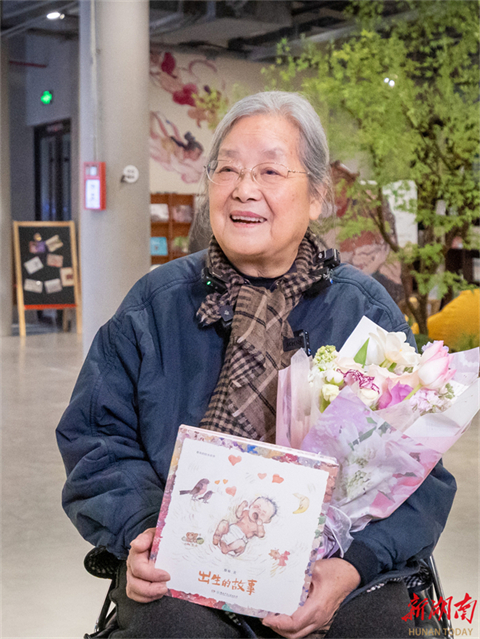
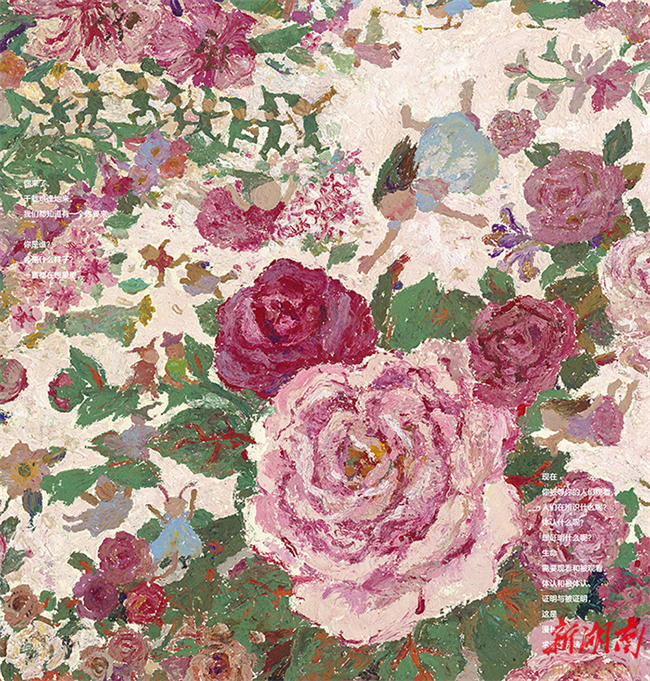
Cai Gao's work of "How I Came to Be Me."
A master without formal training
Cai Gao, born in Changsha, Hunan Province in 1946, is a member of the China Artists Association. Although she never received formal artistic training and began her career as a rural teacher, she found her way into the world of art through her natural talent and passion.
In 1982, at the age of 36, Cai Gao was officially appointed to the Hunan Juvenile & Children's Publishing House, where she became an art editor. During her nearly 20 years at the publishing house, she served not only as an editor deeply immersed in the front lines of her work but also as a tireless creator. She poured her pure and sincere love for children, her subtle insights into life, and her deep affection for traditional culture into her artwork.
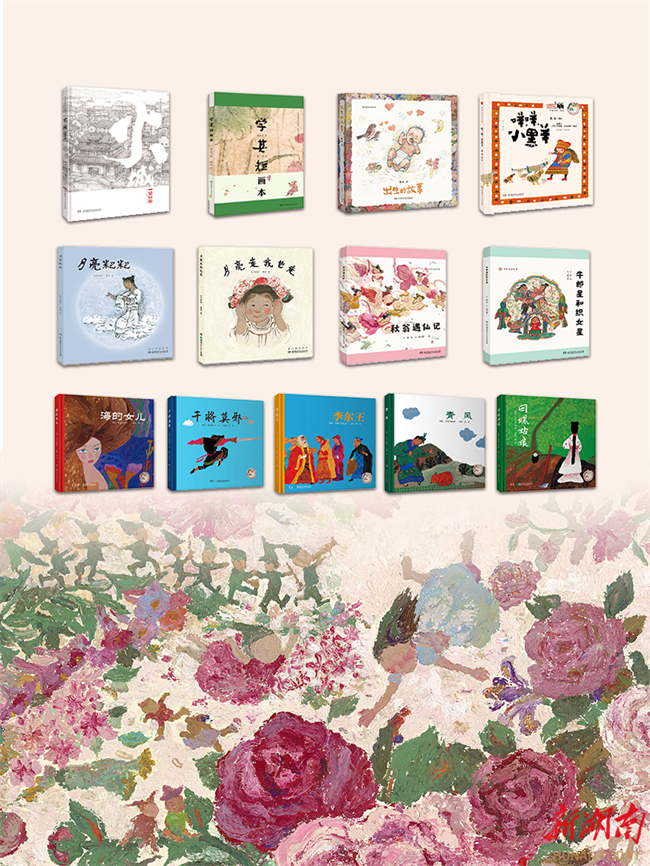
Cai Gao's representative creations.
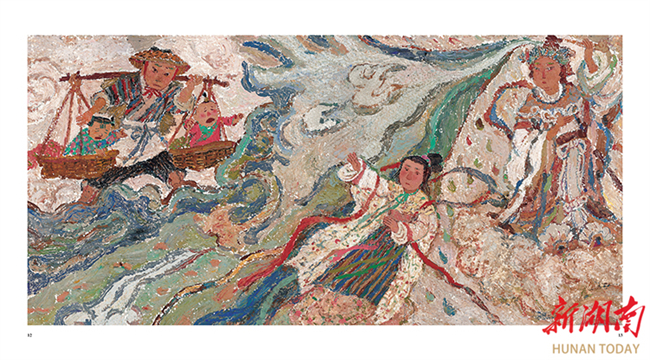
An illustrated creation of Cai Gao titled "The Cowherd and the Weaver Girl."
In her spare time, Cai Gao officially embarked on a career as a picture book illustrator, using her brush to reinterpret Chinese stories. In 1993, her work "Bao'er" (originally titled "The Fox Spirit in the Abandoned Garden") won the Golden Apple Award at the 14th Biennial of Illustration Bratislava, making her the first artist to receive such a prestigious accolade, drawing the world's attention for the first time to the unique artistic charm of original Chinese picture books. Over the following decades, she went on to create dozens of classic picture books, including "Blazing City 1938," "How I Came to Be Me," "What Would It Be Like Without... ?" "The Old Man and the Fairy," "The Cowherd and the Weaver Girl," "What Can You See in the Moon," and "Where the Moon Goes, I Go."
Cai Gao's works are deeply rooted in the rich soil of traditional Chinese culture. Through the evocative atmosphere of the eastern ink-wash painting, the simple yet vibrant aesthetics of folk art, and the warm, healing perspective of a child, she reinterprets folk legends, classical literature, and everyday life. Her artworks not only convey the unique spiritual emotions and cultural heritage of the Chinese people, but also resonate across borders, touching hearts worldwide. Through her brushstrokes, she invites the world to discover the beauty of China and the charm of the Orient.
The foundation for creating picture books is understanding children.
"The circumstances of today's children are completely different from those we knew back in our day." In late 2025, Cai Gao won the 12th National Outstanding Children's Literature Award for her work "Can't Live Without." She once shared her thoughts on contemporary children's literature in an interview, noting that the core prerequisite for creating children's art is a deep understanding of the lives, needs, and preferences of children today—a "homework" that every creator must complete.
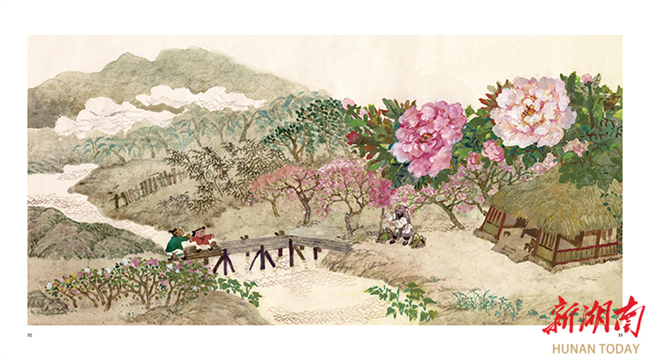
Illustrated works of Cai Gao.
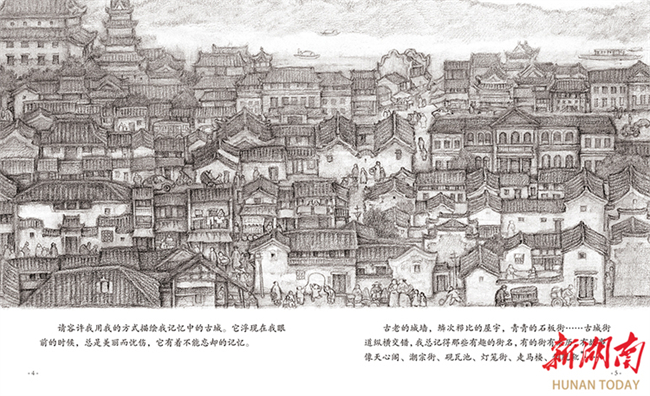
Illustrated works of Cai Gao.
Having grown from an art editor into an internationally renowned illustrator, Cai Gao has always adhered to the core philosophy of "giving the best to childhood." The inspiration for "Can't Live Without" came from Cai Gao's daily life with her grandson. The child's innocent remark, "I can't live without the sun, cause everywhere is inky black," allowed her to capture a child's genuine perception of "existence." "Thinking alone is far from enough; creators must accumulate experience through practice and internalize it," Cai Gao said.
As the World Book and Copyright Day is approaching, Cai Gao shared her views on children's reading. She believes that a good picture book serves as a starting point; what matters is noticing the rich meanings hidden within the book once a child has engaged with it. It is a process of progressing layer by layer, rising step by step, until one finally discovers the starry sky—that is what reading is all about.
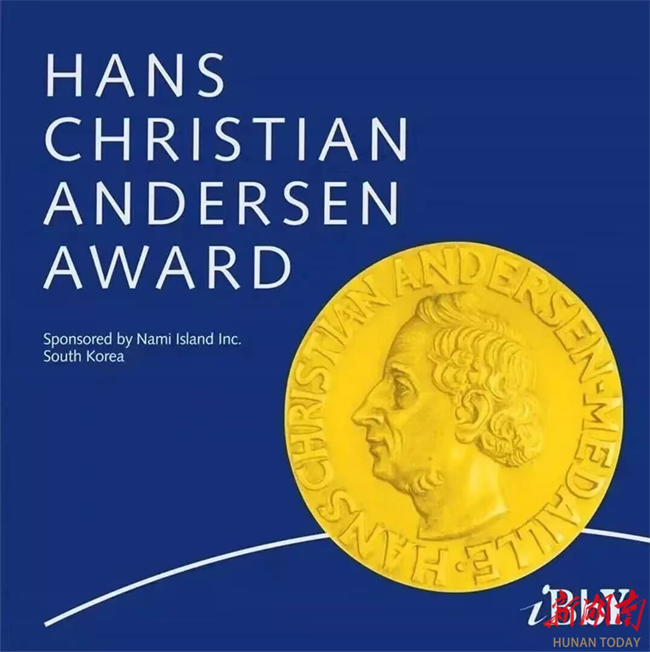
The Hans Christian Andersen Award was established in 1956 by the IBBY, a leading Swiss international organization dedicated to promoting children's books. Named after the master of fairy tales, Hans Christian Andersen, the award is the highest international recognition for children's book authors and illustrators. Presented biennially, the Hans Christian Andersen Award recognizes lifelong achievement and is presented to an author and an illustrator whose complete works have made an important, lasting contribution to children's literature. The award aims to promote children's reading, elevate the artistic standards of literature and aesthetics, and foster positive values in children. In 2016, Chinese author Cao Wenxuan became the first Chinese recipient in the writer category.
This article is from Hunan Provincial Government. www.enghunan.gov.cn.
Translator: Yu Jiangjiang
Chinese source: hunantoday


